Soft Edges: Six Seaside Cottages for Mornings When the Sea Goes Missing
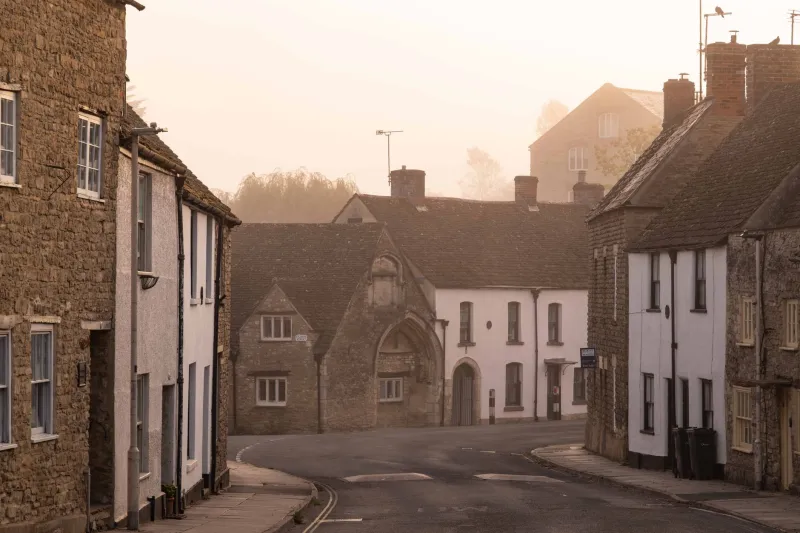
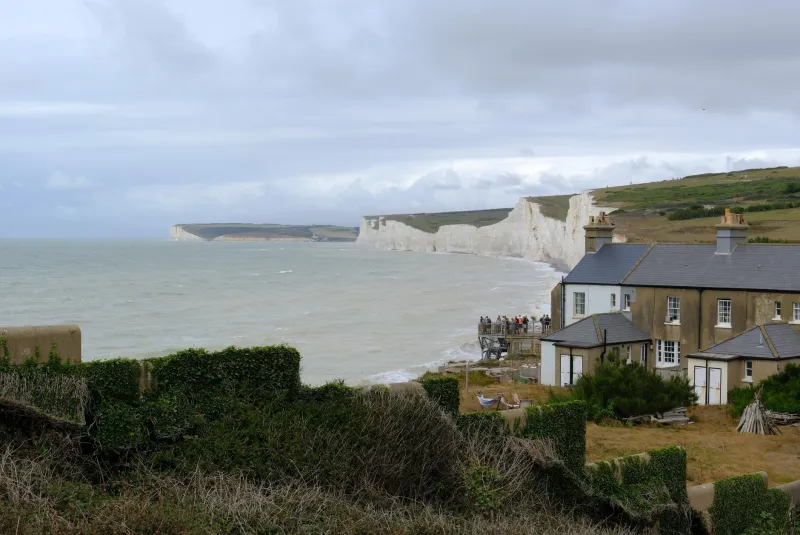
There is a particular morning on the British coast when you open the cottage curtains and find that the sea has gone. Not stormy, not raining — just gone. The harbour wall ends in whiteness. The headland is a rumour. Somewhere below, a gull complains about it. This is the sea fret, and once you stop fighting it, it becomes one of the most quietly cinematic weathers a seaside break can offer.
First, a word about the grey
A sea fret is coastal fog formed when mild, moist air drifts over a colder sea. The air cools from below, the moisture condenses, and a low lid of cloud settles over the coast. In North East England and Scotland you will hear it called a haar; elsewhere it is simply sea fog. It is most common from spring through early autumn, often sitting stubbornly along the shoreline while a mile inland the sun is doing its best. It can burn off by eleven, or it can hang about until teatime like a guest who has missed the last bus.
For cottage purposes, the important thing is that a fret is rarely a reason to cancel. It is a reason to recalibrate. The view may be on mute, but the atmosphere is turned up.
Reading the forecast without becoming a meteorologist
You do not need to understand advection fog to plan around it. The Met Office forecast will usually mention 'coastal fog patches', 'mist', 'low cloud' or reduced 'visibility' when a fret is likely. Harbour webcams are your friend: a quick look before breakfast tells you more than a dozen weather symbols. Tide tables matter too, because a misty low-tide beach walk is a different proposition from a misty high-tide one.
The useful mental shift is to plan two mornings: the walk you want if it lifts, and the morning you will happily have if it does not. A fret often rewards patience. Around midday the curtain can slide back and reveal the headland you had almost forgotten was there — a small piece of theatre that a blue-sky day never quite matches.
Pack for soft focus, not for a siege
This is not a monsoon. A light waterproof shell, a wool jumper, a buff and spare socks will see you through most frets. An umbrella is less useful than a hood on a coast path, and a small torch earns its place if the afternoon thickens. Binoculars are optimistic but harmless. A dry bag for phone and map is sensible.
At the cottage, the real luxury is a drying space: a boot rack, a heated airer, a porch where wet layers can drip without colonising the living room. When you are booking, ask. It is a small question that separates a comfortable grey morning from a damp one.
Walk small, walk known
Low visibility is not the moment for an ambitious exposed headland circuit unless you know the path well. Choose walks with handrails, harbour walls, woodland tracks, estate paths or beach sections at low tide. Take a paper map as well as a phone, tell someone where you are going, and accept that GPS is a backup rather than a personality. Listening matters: foghorns, buoy bells, the suck of shingle and the cry of gulls all become navigation aids.
The coast path in mist is oddly intimate. You notice details you would normally overlook — the moss on a stile, the smell of gorse, the way a gate appears out of nowhere like a stage prop. It is a slower kind of walking, and all the better for it.
Six cottage stays where the mist is the point
The Net Loft, St Abbs, Scottish Borders. A harbour-side cottage in a village that wears haar like a scarf. Mornings here are all grey water and black rock, with the cliff path to St Abbess Head offering drama even when the view is reduced to the next fence post. Come back for the stove and a long breakfast.
The Battery Cottage, Charlestown, Cornwall. Tall windows, thick walls and a harbour that looks wonderfully Victorian in mist. The china clay port has a built-in melancholy that suits a soft morning. When the fret lifts, the coast path towards Porthpean is a reward.
Cobble Cottage, Wells-next-the-Sea, Norfolk. The North Sea fret rolls in over the pines and turns the beach huts into shadow puppets. Walk the woodland tracks, then take the low-tide path towards the dunes. Bird hides at Holkham are excellent in low visibility — the birds do not mind and neither should you.
The Keeper's Cottage, Portpatrick, Dumfries and Galloway. A clifftop stay above an Irish Sea harbour where fog is a regular caller. The village itself is a compact tangle of streets and sea walls; the cliff path south is for clearer days. In the fret, the foghorn does the talking.
Harbour Reach, Aberaeron, Ceredigion. Honey-coloured houses, a river mouth and a west Wales mist that softens everything to watercolour. The estuary walk is gentle and rewarding in grey. Return for a slow lunch and a window seat.
Cliff Top Cottage, Runswick Bay, North Yorkshire. Moorland edge, red-roofed village and a bay that disappears entirely in the right conditions. The Cleveland Way is dramatic in clear weather; in fog, stick to the village lanes and the beach at low tide. The cottage snug is the real destination.
The misty-morning kit that earns its keep
A fret morning is a kitchen morning. Porridge, a proper pot of tea, something simmering on the hob. It is also a jigsaw morning, a radio morning, a notebook morning. Choose a cottage with a table big enough to sit at rather than a bar stool facing a television. A window seat is worth more than a sea view in these conditions, because the view is coming and going anyway.
The slow reveal
Around noon, if you are lucky, the fret thins. First the harbour wall, then the far headland, then the sea itself. It is not a dramatic reveal — more like a watercolourist adding detail with a fine brush. You will find you have spent the morning happily doing very little, and the afternoon suddenly feels like a gift. That is the sea fret's real trick. It does not ruin a coastal break. It edits it down to the essentials: kettle, boots, quiet, and the slow return of the view.