After the Last Lights: Six Coastal Cottages for the 2026 Geminids
Winter stargazing is not a fair-weather hobby. It is a wrap-up, stand-still, let-your-eyes-adjust kind of pleasure, and the coast does it rather well. For the 2026 Geminids, the trick is not simply to find the darkest postcode in Britain. It is to find a cottage where the sky is open, the horizon is low, and you can be outside with a thermos within thirty seconds of deciding to be.
The sea as a low-tech telescope
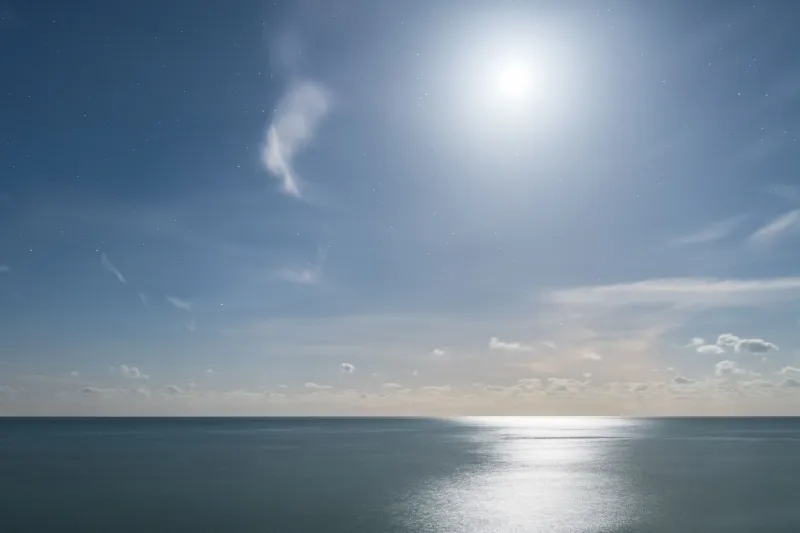
A sea horizon is not a telescope in the optical sense. It is better than that: a clean, low sightline with very little in the way of trees, roofs or hedges to interrupt it. Stand on a beach or a clifftop path and you get an unobstructed half-dome of sky, plus a dark foreground that gives your eyes less to fight against. The sea itself does not magnify anything, but it does something almost as useful. It removes the clutter.
That matters for meteor watching. The Geminids are not a tidy fireworks display in one corner of the sky. They appear to radiate from Gemini, but they can flash anywhere overhead. A wide, open coastal view means you are not constantly shifting position to peer around a building or a tree. Binoculars will not turn a meteor shower into a planetarium show, but they make the waiting far more interesting. Scan Orion, the Pleiades or the faint smudge of the Milky Way while you wait for a bright streak.
Read the sky before you book
Three things matter more than any cottage brochure: the moon, the peak and the cloud. The 2026 Geminids peak around 13 to 14 December, so aim for a three-night window rather than a single make-or-break evening. Check an astronomy site or app for the exact maximum and, just as importantly, for moonrise where you are staying. A bright moon near the peak can wash out all but the brightest meteors. If the moon rises late, plan an early evening session; if it is up and glaring, use it as an excuse for an afternoon walk and a very long supper.
Use the Dark Sky Discovery Sites map to find official viewing spots, and cross-check with a light-pollution map. Then look at the Met Office cloud forecast. A dark sky with blanket cloud is just a dark sky. Be honest about that when you book, and build in a little flexibility if you can. Off-season cottage owners often understand a weather-dependent break better than you might expect.
Six coastal stays to consider
1. Northumberland Coast, around Bamburgh and Embleton. The coast here has big skies, low light spill and long beaches that face east and north. Look for a cottage with a garden that is not floodlit, and check local Dark Sky Discovery Sites before you go. Bring layers; the wind off the sea is not sentimental.
2. North York Moors coast, around Ravenscar or Staithes. The national park's dark-sky reserve reaches close to the coast, and the cliff paths give you sea on one side and moorland darkness on the other. A cottage with a sheltered bench or a small conservatory is a good compromise for cold nights.
3. Pembrokeshire Coast, around St Davids or Newgale. The national park has dark-sky status, and the west-facing coast gives you a low horizon and plenty of quiet lanes. Choose a cottage a little back from the village lights, and check the weather window before committing to a long night out.
4. Galloway, around Kirkcudbright or Portpatrick. This is a serious dark-sky corner of Scotland, with the Galloway Forest Dark Sky Park inland and a low-light coastline nearby. A remote cottage with a utility room for wet coats and boots makes the whole business of coming in and out much easier.
5. Norfolk Coast, around Brancaster or Wells-next-the-Sea. The big skies over marsh and sea are superb for meteor watching, especially when the horizon is clear. East-facing beaches mean moonrise can be dramatic, so check the phase before you plan your session.
6. West Wight, around Freshwater and Totland. The Isle of Wight's western end is quieter than the postcard towns, with low light levels and a genuinely open sky over the Solent. It is a good short-break option if you want a ferry crossing rather than a long motorway haul.
Pack for the cold, not the Instagram
A red torch is the one piece of kit people forget. White phone screens and headtorches destroy your night vision for several minutes. Red light lets you find the flask without ruining the show. Pack binoculars, a thermos, a blanket, spare socks and a reclining camping chair if you have one. A star chart or a red-mode astronomy app helps, but a plain old paper planisphere never runs out of battery.
A note on cottage etiquette
Dark skies are a shared resource. Turn off exterior lights when you go out, close curtains behind you, and avoid shining torches at neighbouring cottages. Stick to paths, especially on dunes and clifftops, and check whether your chosen beach has any night-time restrictions or sensitive wildlife areas. The best stargazing breaks are the ones that leave the place as quiet as they found it.
Book for the dark, pack for the cold and treat the 2026 Geminids as a reason to stand still by the sea for an hour. The meteors are only part of the point.