One Street Back: Why the Cottage Without the Sea View Often Wins
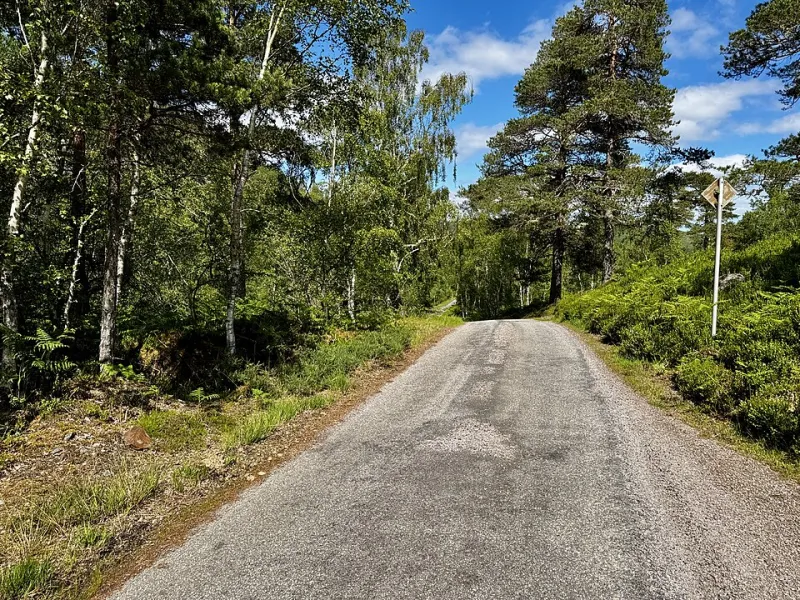
Photo: Ralph Greig , CC BY-SA 2.0, via Wikimedia Commons
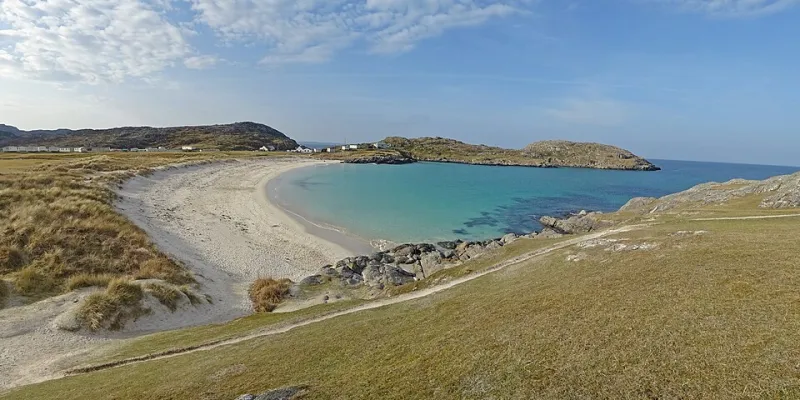
There is a particular kind of seaside listing that makes everything look easy. Sea view, promenade location, step out of the door and onto the sand. It is a lovely idea, and sometimes it is worth every penny. But after enough cottage breaks, I have come to suspect that the best value is often one street back, where the view is partial, the price is lower and the town gets on with its ordinary life around you.
This is not an argument against sea views. It is an argument for reading the location properly. A front-row cottage can be wonderful in the right place. It can also mean paying a premium for a view you mostly see through rain, while the promenade delivers late-night noise, early-morning delivery vans and a brisk slap of wind every time you open the door.
What You Actually Pay For on the Front Row
Front-row cottages sell a fantasy, and fair enough. Waking up to the sea is a genuine pleasure. But the premium is not only about the view. You are also paying for proximity to everyone else who wants the same thing. In summer, that can mean crowds outside the window. In winter, it can mean a bracing walk to the car because parking is a nightmare. Neither is a disaster, but it is worth being honest about what the extra money buys.
There is also the matter of sound. The sea is lovely at night. A seafront pub, a late taxi and a group of people saying goodbye very loudly at midnight are less lovely. One street back, you tend to get the sea at a distance and the town at a murmur.
The Quiet Advantages of the Back Row
A back-row cottage often gives you a better night's sleep. You get a proper street rather than a promenade, which usually means slower traffic and fewer people. You may get a small yard instead of a balcony, which is no bad thing if you want to dry wet coats or eat breakfast outside without being watched by passing walkers.
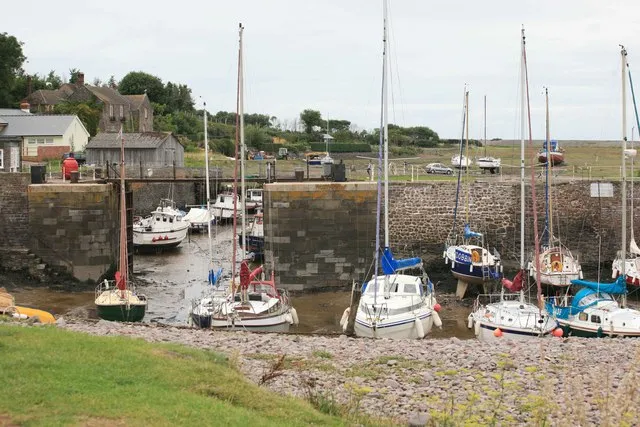
You also get closer to the useful stuff: the bakery, the greengrocer, the pub that locals actually use, the path that cuts through to the beach in four minutes. In off-season especially, when the front can feel a little exposed, one street back feels like a proper base. You are not a spectator on the seafront; you are briefly part of the town.
And yes, you can still hear the sea. On quiet nights, a back-row cottage near the shore often gives you a soft, distant wash of water rather than a full gale in the window. Some people prefer that. I am one of them.
A Practical Checklist for Judging a Back-Row Location
Before you book, look beyond the photographs. A few checks will tell you more than any listing description.
- Footpath access: find the nearest route to the beach on a map. A three-to-eight-minute walk is ideal. A walk along a busy road with no pavement is not.
- Morning light: check which way the windows face. An east-facing kitchen is a gift in summer; a south-facing yard is a gift in spring and autumn.
- The sound of the sea: read reviews carefully. If someone mentions hearing the waves at night, that is useful. If they mention the pub, that is useful too.
- Parking and loading: a back street can be easier for unloading, but check whether parking is on-street, permit-only or a short walk away.
- Local shops: a bakery or small shop within a five-minute stroll changes the whole feel of a break. It means fresh bread, a paper and a reason to leave the cottage before lunch.
- Footpath lighting: if you are arriving late or walking back from supper, check whether the route is lit.
- Flood risk: back rows can sit lower than you think. Ask the owner about any tidal lanes or winter flooding.
- Off-season openings: in quieter months, check which cafés and pubs are actually open. A back-row cottage near a closed bakery is still lovely, but it is a different kind of lovely.
How to Read a Listing Like a Local
Open the map in satellite mode. Look for the footpath, the church hall, the car park and the pub. Use street view if it is available. Read the reviews for repeated mentions of noise, parking or damp. Then ask the owner a direct question: what is the walk to the beach like, and is the sea audible at night? A good owner will answer plainly.
Be sceptical of the phrase sea glimpse. It can mean a sliver of blue from the bathroom window, and that is fine as long as you know. The second-best view is not a consolation prize. It is often a better-balanced holiday: a little less theatre, a little more everyday life.
The Break You Actually Remember
Most of us do not spend a cottage holiday staring out of the window. We spend it walking, eating, sleeping, getting sandy and coming back with damp cuffs. A back-row cottage supports that sort of break rather than performing for it. You get the sea when you want it, the town when you need it and a quieter night in between.
So before you pay for the front row, look one street back. The view may be smaller. The break may be better.