Empty Sands and Wild Skies: The Quiet Case for a November Cottage Escape
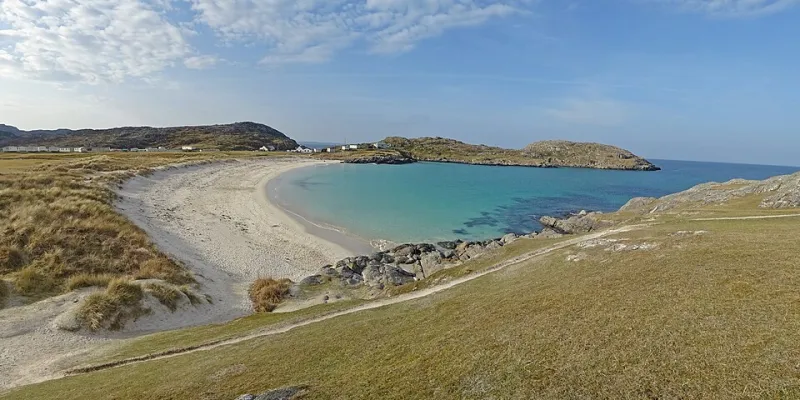
Photo: Adam Ward , CC BY-SA 2.0, via Wikimedia Commons
Summer gets the postcards, but November gets the coast back. By the time the clocks have changed and the last half-term cars have gone home, many UK seaside towns settle into a different rhythm: shorter opening hours, longer shadows, and beaches where the loudest thing is often a gull or the wind tugging at a coat. For anyone craving a proper slow break, that is not a downgrade. It is the point.
At Sea Dreams Cottage, we like a coastal escape that leaves room to breathe. A November cottage break in 2026 is less about ticking off attractions and more about waking without an alarm, walking until your cheeks sting, and coming back to a warm kitchen and a kettle that seems to know what you need. The summer crowd has its own pleasures, of course, but late autumn offers something rarer: space.
The beach belongs to the weather
There is a particular kind of freedom in arriving at a popular beach and finding only a few dog walkers, a couple of hardy swimmers and a sky doing something dramatic over the water. In November, the coast is not dressed for visitors. It is simply itself: seaweed on the tideline, gulls working the shallows, light that changes every few minutes. You can hear the waves properly. You can walk for an hour without stepping around a windbreak.
That atmosphere suits a cottage holiday. Instead of planning around car parks and lunch queues, you can plan around the tide and the forecast. A bright morning becomes a prompt to get out; a wet afternoon becomes an excuse to stay in. Both feel like a treat rather than a compromise.
Pack for the forecast, not the brochure
The UK coast in November can be mild and still, or it can be bracing enough to make you grateful for every layer. Pack for the second version and enjoy the first if it arrives. A waterproof shell with a hood, a warm fleece or wool jumper, quick-drying trousers, thick socks and wellies or sturdy waterproof boots will cover most days. Add a hat, gloves and a scarf that can cope with sea wind.
Small practical things make a surprising difference: a dry bag for phones and camera, a thermos for a flask of tea on a bench, a head torch for early sunsets, and a spare pair of socks in the car. Binoculars are worth squeezing in for harbour seals, distant seabirds and the odd ship on the horizon. And bring a book you actually want to read, not one you feel you should.
Storm-watching, sensibly
Wild weather is part of the appeal, but it deserves respect. Check tide times and weather warnings before setting out, and remember that waves can run further up the beach than they look. Stay well back from promenade edges, harbour walls and cliff tops, especially when spray is being thrown over. Wet rocks and slick steps are not the place to test your balance. Keep dogs and children close, and never turn your back on the sea for a photograph.
If the forecast is genuinely severe, watch from indoors or from a safe, sheltered viewpoint. A cottage with a sea-facing window can give you all the drama of a squall without the risk. There is a quiet thrill in hearing rain hit the glass while the kettle boils, and it is a lot more comfortable than pretending you are a weather presenter on a pier.
Cottage features that matter when the weather turns
A November break is where practical cottage details earn their keep. Look for a proper boot room or porch where wet coats and muddy boots can be dumped without taking over the living room. A drying rack or airing cupboard is gold after a soaking walk. Reliable heating, a wood burner or an open fire adds more than atmosphere; it gives you a reason to stay put.
Other useful features: a well-equipped kitchen for simple suppers, a bath as well as a shower, parking close to the door, and a short walk to a pub or shop. A sea view is lovely, but a warm, draught-free room matters more once the sun has gone down. If you are booking through a site like Sea Dreams Cottage, read the practical notes as carefully as the photographs. The best off-season stays are the ones that feel cosy before you even arrive.
Finding the cafes and harbour shops still open
Many coastal businesses run reduced hours after October half-term, so a little research pays off. Check social media and Google listings for winter opening times, but do not rely on them entirely; a quick phone call or a note in a village shop window can save a wasted trip. Harbour shops, bakeries and small cafes often keep a few days a week open for locals, and those are exactly the places worth seeking out.
Ask where you are staying. Cottage owners and neighbours usually know which pub is serving food on a Thursday, which fishmonger has a van on the quay, and which cafe does a good bacon roll after a morning walk. Look for handwritten signs, community noticeboards and places with a few parked vans outside. In November, a busy local cafe is a better recommendation than a glossy summer guide.
A Saturday that does not try too hard
Start with a slow breakfast and a look at the tide. Walk a stretch of beach or coast path while the light is still low, then retreat for soup and a sandwich. In the afternoon, browse a harbour shop, buy something for dinner and take the long way back. If the rain arrives, let it. You have a cottage, a kettle and nowhere else to be.
That is the quiet case for a November cottage break. Not every coastal escape needs sunshine and a packed itinerary. Sometimes the best version is an empty beach, a wild sky, a warm room and the feeling that the coast has finally slowed down to your pace.