Salt, Stone and Old Stories: Six Coastal Conversions for a Slower Stay
Photo: Nigel Chadwick, CC BY-SA 2.0, via Wikimedia Commons
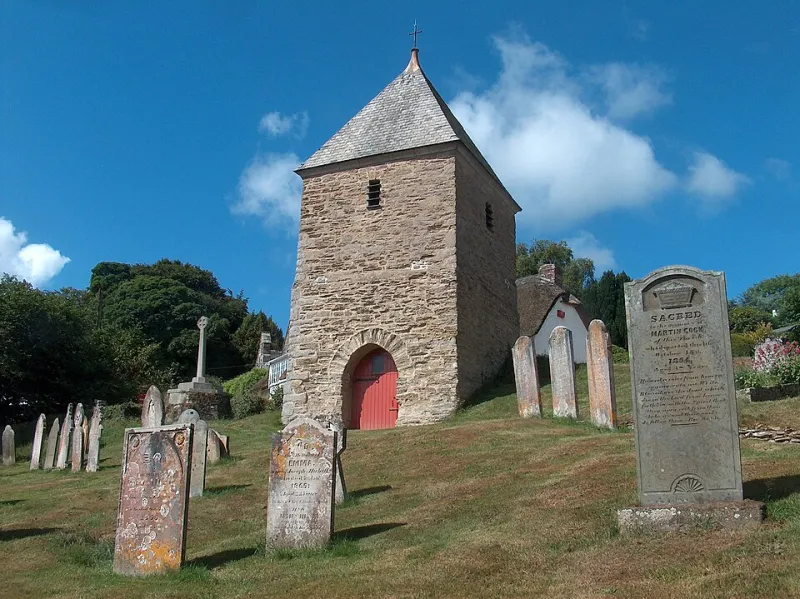
Old buildings ask something of you. A low doorway makes you duck. A stone floor cools your bare feet. A beam that has been in place for two hundred years quietly insists that you stop rushing about. For a coastal break, that is no bad thing. A cottage with a past can turn a weekend by the sea into something more grounded than a string of car-park-to-beach dashes. The walls do a bit of the entertaining, and you settle into the rhythm of a place that was built for work long before it was built for holidays.
Why old walls change the pace
A converted coastguard station, net loft or schoolhouse comes with a story that is not just decorative. The rooms were shaped by weather, trade and practical need. Windows may be small and set deep because the wind was fierce. Ceilings may be low because heat was precious. Stairs may be narrow because nobody was thinking about suitcases. None of this is a flaw if you know what you are booking. In fact, it is often the reason the stay feels different from a identikit holiday let.
These buildings also tend to sit where the old work was: close to a harbour wall, a cliff path, a village square or a lane that once led to the shore. That means you are not just sleeping in a piece of local history; you are within a short walk of the landscape that shaped it. For a slow travel break, that is the whole point.
What to ask before you book
A little homework goes a long way with historic coastal cottages. The best owners are usually happy to talk about the building, and the answers tell you as much about the stay as the photos do.
Ask what is genuinely original and what has been replaced. Original beams and fireplaces are lovely; original single-glazed windows in a February gale are a different conversation. Ask how the cottage is heated, whether there are draught excluders, and whether the fire is wood-burning or purely ornamental. Ask about stairs: steep, narrow, spiral or open-sided? Ask about parking, especially in harbour villages where the nearest space may be a five-minute walk away. Ask about mobile signal and Wi-Fi if you need to work, and about low doorways or uneven floors if anyone in your party has mobility issues.
It is also worth asking a simple question: what was this building used for? The answer often explains the layout, the views and the quirks. A former schoolhouse may have huge windows and a high ceiling in one room and tiny cubbyholes elsewhere. A net loft may have a wide opening where nets were hauled in. A harbour pub conversion may still have a snug that feels built for eavesdropping. Knowing the history helps you appreciate the space rather than fight it.
Six coastal conversions worth a closer look
The Old Coastguard Station, Robin Hood's Bay, North Yorkshire
Perched above a village of tightly packed roofs and narrow wynds, this former lookout has the kind of sea view that makes you put the kettle on and abandon your plans. The old bones show in thick walls and small windows, so ask about heating and whether the cliff path is accessible in wet weather. It is a fine base for a bracing 2026 break, with the Cleveland Way on the doorstep and the beach below.
The Net Loft, Wells-next-the-Sea, Norfolk
A former fishing store turned cottage, this one comes with wooden beams, a slightly crooked feel and a sense of having been useful once. Ask about ceiling heights and stairs before you pack a big suitcase. The reward is a quiet lane close to the quay, where you can watch the tide creep in and out without ever feeling far from a proper cup of tea.
The Schoolhouse, Port Isaac, Cornwall
Victorian schoolrooms convert beautifully into holiday cottages, largely because nobody designs a room for thirty children without giving it good light. Expect high windows, sturdy walls and a village setting that rewards aimless wandering. Ask about parking and the approach lane, then settle in for a break built around harbour walks, slate roofs and the sound of gulls rather than a schedule.
The Harbourmaster's Rooms, Crail, Fife
In a Fife village of stone and sea light, this former harbour building offers the kind of compact, weatherproof comfort that coastal Scotland does so well. Ask about the heating and whether the outside space is sheltered. The pleasure here is in small things: a morning walk to the harbour, a bakery stop, and an afternoon that does not need to be filled.
The Old Ship Inn, Cemaes Bay, Anglesey
A former harbour pub conversion is always going to have a certain atmosphere. Think low ceilings, thick walls and the ghost of a snug. Ask what has been kept and what has been changed, and check whether the stairs are as characterful as the bar once was. The bay itself is the main event, with a coast path that suits slow wanderers and a village that feels pleasantly unhurried.
The Salt Store, Aldeburgh, Suffolk
Former working buildings on the Suffolk coast often have a plain, no-nonsense charm, and this one is no exception. Ask about original features and whether the cottage is set back from the road. The reward is a stay close to shingle, sea and a high street that rewards browsing. It is the sort of place where a rainy afternoon by the fire counts as a proper activity.
The features that earn their keep
Not every original feature is a selling point. A beautiful old fireplace is wonderful if it draws properly. A stone floor is charming until you have walked across it in wet socks. The features that genuinely matter on a coastal break are the ones that help you live with the weather: a proper porch for boots and coats, a drying rack or airing cupboard, a fire that works, shutters or heavy curtains, and a kitchen that is practical rather than merely photogenic.
Look, too, for outside space that is actually usable. A sheltered bench, a walled garden or a step where you can sit with a mug of tea will do more for a slow stay than a vast lawn exposed to the wind. And check the small print about dogs, fires and arrival times. Historic buildings often have rules that are less about fussiness and more about keeping old fabric intact.
A slower kind of welcome
The best historic coastal cottages do not feel like museums. They feel like places that have simply carried on being useful. You cook in a room where nets were once mended, sleep under beams that have seen decades of weather, and walk out to a harbour that still smells of salt and diesel. That is not nostalgia for its own sake. It is a reminder that a seaside break can be about paying attention.
So when you book, ask the questions, read the quirks and choose the building that suits your party rather than the one with the prettiest thumbnail. The walls will do the rest. And if the floorboards creak, take it as a hint: slow down.