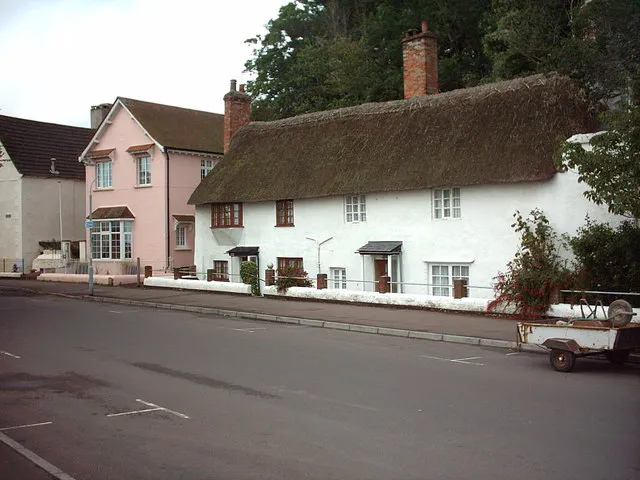
Corkboard Coast: Let the Village Hall Set the Pace of Your Seaside Break
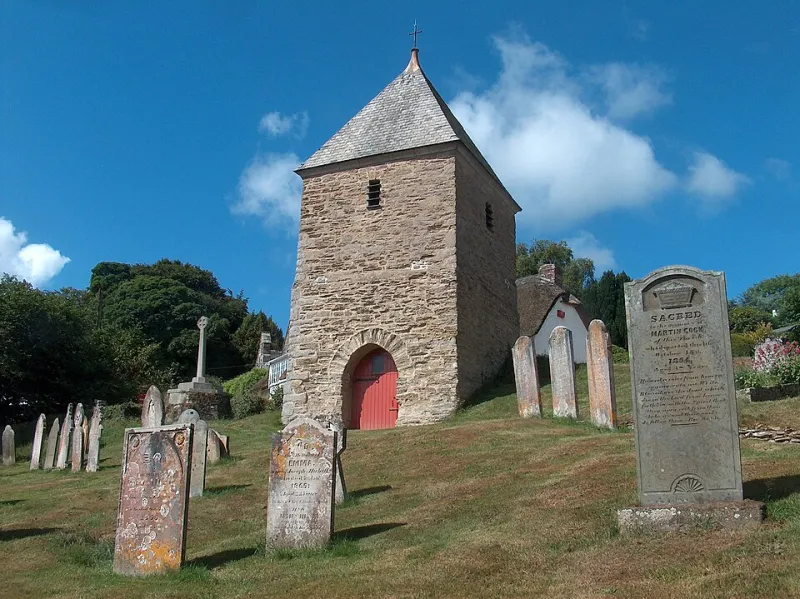
Photo: Neil Theasby , CC BY-SA 2.0, via Wikimedia Commons
Most seaside breaks are planned backwards from a list of attractions. You pick the beach, the castle, the harbour cafe, then find a cottage within reach. That works. But it can also make a place feel like a series of exhibits. A slower alternative is to start with the village hall noticeboard. Not because it is quaint, but because it is useful. It tells you what actually happens in a place on a wet Tuesday in November: the coffee morning, the tabletop sale, the parish magazine, the community fridge rota, the yoga class that has moved to the back room. If you are booking a cottage for 2026, that corkboard is a better guide to local rhythm than most visitor websites.
Why the hall beats the visitor centre
Visitor centres tell you what a place wants you to do. A hall noticeboard tells you what a place actually does. The distinction matters if you are after a slow break rather than a tick-list. A coffee morning is not an attraction. A second-hand book stall in the church porch is not an event to build a weekend around. But together they give you a sense of whether a village has a working social core — and whether your cottage will feel like part of a place or a bolt-hole on its edge.
Sea Dreams Cottage has always been about sea air and unhurried days. This is that idea in practice. You still walk the coast path. You still eat fish and chips on the harbour wall. But you also leave space for the ordinary. You time a stay around a Saturday market or a midweek coffee morning. You read the parish magazine in the cottage and discover the hall is doing soup and a roll. You go. You put a pound in the tin. You come home with a bun and a better sense of where you have been.
Six cottage-friendly villages where the hall is the heart
These are not secret spots. They are simply places where a cottage near the hall makes practical sense, and where the noticeboard is worth five minutes of your first morning.
Porlock, Somerset. A cottage in the village centre puts you a short walk from Porlock Village Hall and the everyday shops. Look for the regular market, coffee mornings and parish notices. It is a good base for Exmoor walks, but the village itself rewards a slow start: read the board, buy something from the shop, then decide on the day.
Staithes, North Yorkshire. Cottages in the old town are stacked into the cliffs, but the village hall and community rooms are within reach on foot. The board here is a reminder that Staithes is a working village as well as a photogenic one. Check for coffee mornings, craft sales and community notices before you plan a day out.
Aberdaron, Llŷn Peninsula. A cottage near the beach or village centre gives you a short walk to Neuadd Aberdaron, the village hall. Parish magazines and community notices often appear in both Welsh and English. This is the kind of place where the hall calendar and the weather forecast should be read together.
Findochty, Moray. A cottage by the harbour puts you close to Findochty Village Hall and the kind of small notices that never make it onto tourism sites. Look in the shop window and on the hall board for community fridge details, coffee mornings and seasonal events. Bring cash for the tin.
Cemaes, Anglesey. Cottages in the village are a short walk from Cemaes Village Hall and the harbour. The noticeboard is the place to check for regular markets, coffee mornings and local groups. It is also a useful reminder that Anglesey has a life beyond the beaches, especially in the quieter months.
Kingsand and Cawsand, Cornwall. A cottage in Kingsand puts you within walking distance of Kingsand Community Hall. The twin villages have a strong local streak beneath the day-trip gloss. Check the hall board and the village shop for what is on, then build your day around that rather than the other way round.
How to read a noticeboard without being nosy
Start with the obvious. The exterior board tells you what is regular. The parish magazine or community newsletter tells you what is coming up. The shop window tells you what has been cancelled. The church porch and library often carry the same information in different handwriting. Look for the words all welcome. Look for the times. Look for the price, because there usually is one, even if it is fifty pence.
Do not photograph personal notices. Do not treat the hall as a tourist information desk. If you want to know whether an event is open to visitors, ask in the shop or send a polite message to the hall. Most communities are friendly to anyone who turns up, pays their way and does not treat the coffee morning like a museum exhibit.
The community fridge test
A community fridge is not a visitor attraction. It is a practical local service, and that is exactly why it is a useful signal. If a village has one, it usually has a network of people who look out for each other. It also tells you something about the local shop, the hall and the way the place works. You do not need to use it. You just need to recognise that it exists. Buy something from the shop instead. Put your change in the honesty box. Leave the fridge for the people it is meant for.
Time the stay around the ordinary
A Saturday market is easier to plan around than a one-off festival. A Tuesday coffee morning is easier to join than a ticketed supper. Midweek stays often work better for this kind of break: the hall is quieter, the volunteers have time to talk, and the cottage is cheaper. Off-season weekends can be good too, especially if the parish magazine lists a tabletop sale or a winter fair. The trick is not to over-schedule. Pick one ordinary event. Let the rest of the day happen around it.
Before you book
Ask the cottage owner or booking agent whether the hall is walkable, whether there is a shop, and whether the parish magazine is delivered to the cottage. Check the hall website or local Facebook group for the current timetable, but treat the physical noticeboard as the final word. Bring layers, cash and a bag for market shopping. Leave the car where it is. A slow break is easier when the village is the destination, not just the place you sleep.
A short rhythm to borrow
Arrive on Friday. Read the board. Buy something for supper from the shop. On Saturday, go to the market if there is one. On Sunday, walk the coast path and come back via the hall noticeboard. On Monday, go to the coffee morning if it is on. You will not have seen everything. That is the point. The corkboard does not promise a bigger holiday. It promises a more ordinary one, which is often the same thing.