Catch the Coast Bus: Six Car-Free Cottage Bases for Slower Seaside Days
There is a particular kind of holiday calm that arrives when you realise the car has not moved since you unpacked. No circling for parking. No designated driver. No debating whether the pub is “walking distance” after a long lunch. Just a cottage, a bus stop a few minutes away, and the quiet pleasure of letting someone else take the coast road.
Car-free coastal breaks are not about doing without. They are about doing less faffing. For a 2026 seaside stay, a cottage within a short stroll of a dependable bus route can turn a week into a series of small, spontaneous outings: beach in the morning, village shop at noon, pub or chippy later, and no logistical headache in between.
Why let the bus set the pace
A good local bus does more than replace a car journey. It slows the day down. You notice the hedgerows, the stops with names you would never have read on a satnav, and the regulars who nod at you by day three. You also get a useful reality check on what is actually near your cottage. If the bus runs every hour, you plan around it — and that is often the point.
For cottage bookings, “near a bus stop” is a phrase worth interrogating. A stop on the map can mean a muddy verge half a mile up a hill, or a shelter right outside the gate. The difference matters, especially with bags, children or a rainy arrival day.
Six cottage bases where the bus earns its keep
These are not promises of timetables set in stone. They are coastal places where a car-free cottage stay is genuinely practical, with local buses linking beaches, towns and villages. Check current routes before you book, particularly outside summer.
1. St Ives, Cornwall — train, bus, then beach
St Ives is a strong car-free choice because you can arrive by branch line and barely need a car at all. Look for a cottage within reasonable walking distance of the bus station or the town centre stops. Local buses run along the coast towards Zennor, Land’s End and Penzance, with seasonal variations. The joy here is ditching the car for the small stuff: a bus to a quieter cove, a potter round the back streets, then a stroll home via the harbour. Book early if you want a cottage close to both the stop and the seafront; the two are not always as close as they look online.
2. Whitby, North Yorkshire — moors on one side, coast on the other
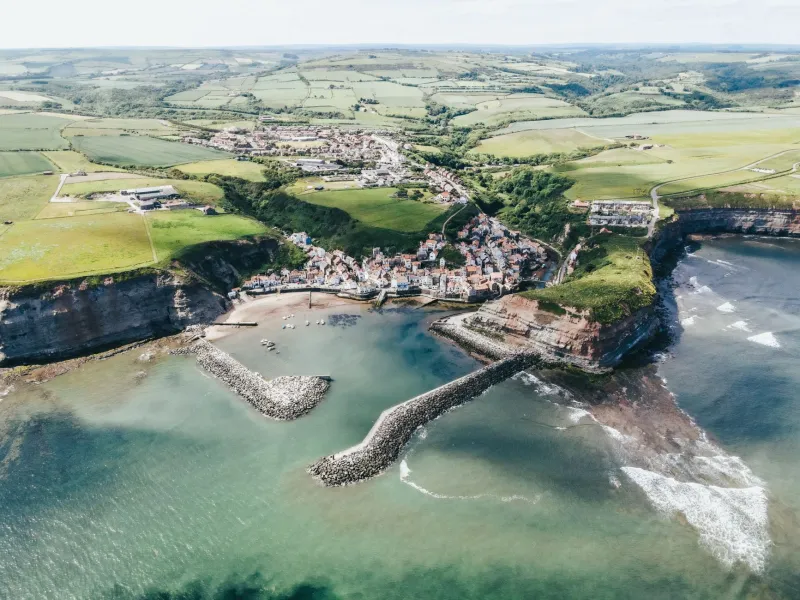
A cottage in Whitby puts you within reach of beaches, abbey views and proper fish and chips, but the bus network makes the surrounding coast feel accessible without a car. Services connect Whitby with Robin Hood’s Bay, Runswick Bay and Scarborough, though frequencies vary by season and day of the week. Choose a cottage on the town side of the river if you want an easier walk to stops with evening services. The bonus is that a bus ride here often feels like part of the day out: cliff tops, village pubs, and no parking worries at the other end.
3. Tenby, Pembrokeshire — coastal hops without the car park
Tenby is lovely but busy in peak season, which is exactly why a car-free cottage can feel like a win. Look for a base within a short, level walk of the main bus stops rather than assuming every cottage in town is equally convenient. Local buses link Tenby with Saundersfoot, Pembroke and other nearby villages, with seasonal coastal services that are worth checking carefully. A day out might be a bus to a quieter beach, a walk along the coast path, and a bus back before the afternoon light goes. Keep a taxi number handy for evenings when the timetable thins out.
4. Seahouses, Northumberland — castles, coves and a useful bus route
Seahouses makes a sensible car-free base for the Northumberland coast. Cottages near the village centre put you within walking distance of the harbour, shops and bus stops, with services along the coast towards Bamburgh, Beadnell and beyond. The landscape is big and breezy, so check the walk from stop to door carefully: a cottage “near Seahouses” can be a fair way from the village. The reward is a break where castle views, beach walks and a pub supper do not require a parking permit or a debate about narrow lanes.
5. Ventnor, Isle of Wight — island buses and steep little streets
Ventnor is a good reminder that car-free convenience is not only about the bus route; it is about the gradient. The Isle of Wight has a useful bus network, and Ventnor’s stops connect you with Shanklin, Ryde and other island towns. But the town is built on slopes, so a cottage that looks close to a stop can still involve a stiff climb with shopping bags. Read the listing details, look at the map, and ask the owner about the walk. Do that, and you get a lovely slow base for beach days, garden visits and bus-based pottering.
6. Aberystwyth, Ceredigion — coast, valley and a proper bus station
Aberystwyth works well for a car-free cottage break because the town has a bus station and a good spread of local services. Cottages near the centre put you within reach of the promenade, shops and stops for routes along the coast and inland. Buses can take you to nearby villages and beaches, though rural frequencies demand a bit of planning. The pleasure here is mixing a seaside morning with a valley afternoon, then returning to the cottage without touching the car keys.
Check the timetable like a local
Before you book, open the operator’s website and look at the actual timetable for the dates you are travelling, not just a summer summary. Check weekday services, Saturday services, Sunday services and bank holidays. Look at the first and last buses, not only the midday ones. In rural areas, school-term timetables and winter reductions can change the shape of a day.
Seasonal services are especially worth a second look. A route that runs daily in August may be weekend-only in October or stop altogether after the summer. If your break depends on a particular bus — say, the one that gets you back from a late pub lunch — have a backup plan. A local taxi number in your phone is boring but brilliant.
The walk from stop to door matters
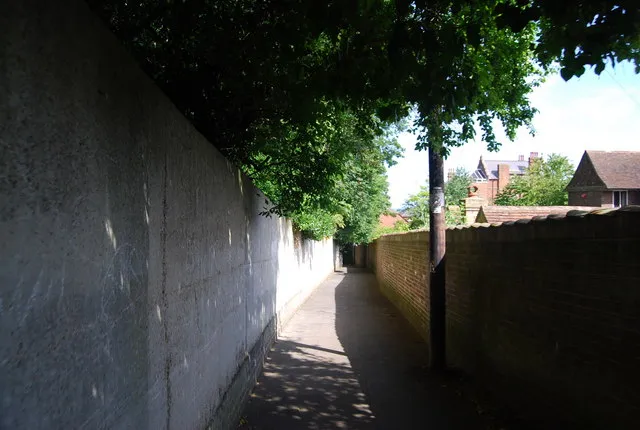
A five-minute walk on a flat pavement is very different from a five-minute walk up a wet hill with a suitcase. Use street view if you can, check for pavements and lighting, and ask the cottage owner which stop they actually use. “Near a bus stop” can mean the express route on the bypass rather than the little village service you had in mind.
Also think about the final stretch with luggage. If you are arriving by train and bus, a cottage with a shop nearby is a gift: milk, bread and a few essentials mean you do not have to haul a week’s groceries up a hill on day one.
Pack for the bus, not the boot
Car-free breaks reward a slightly different packing list: a foldable shopping bag, a small torch for winter afternoons, a lightweight waterproof, and a willingness to wait ten minutes in a bus shelter. A day ticket or local rover can be good value if you plan a few hops, and contactless payment is increasingly common, but check before you rely on it.
Above all, leave a little room for the unplanned. The best car-free coastal days often come from a bus you caught because it turned up, a beach you spotted from the top deck, and a cottage you returned to on foot with salty hair and a bag of chips. The car can stay where it is. The coast will come to you, one stop at a time.